Networking
How to Network in a New City: 5 Simple Steps
Dec 7, 2025
Dec 7, 2025
Practical UK guide to building a network after moving: set goals, use intent-driven matches, attend local events, learn British social norms and keep a routine.

Moving to a new city in the UK can feel isolating, but building connections doesn’t have to be overwhelming. Here’s how you can quickly meet the right people and expand your network effectively:
Define your goals: Be clear about what you need from your network - whether it’s professional contacts, friends, or shared hobbies.
Use Linqa: This app connects you with individuals who match your interests, location, and schedule, saving you time and effort.
Attend events: Explore local meetups, community centres, co-working spaces, or even Parkrun events to meet people face-to-face.
Learn British social norms: Small talk, politeness, and humour are key to making connections in the UK.
Create a routine: Set aside time each week for networking activities, follow-ups, and refining your approach.
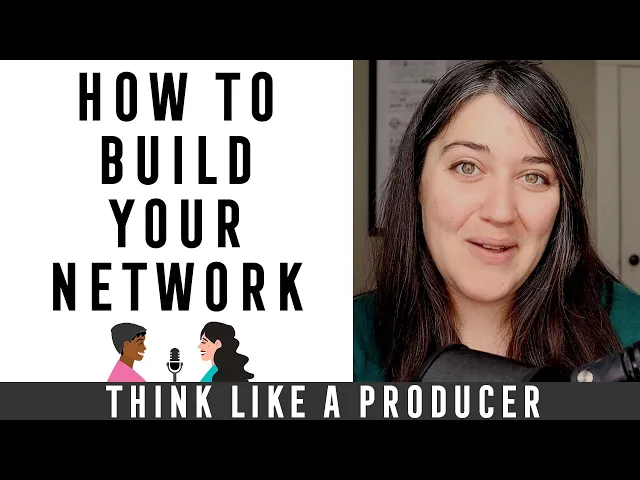
3 Tips to Build A Strong Network in a New City | Think Like A Producer
Step 1: Set Clear Networking Goals
Entering a networking situation without a plan is like navigating London without a map - you're likely to wander aimlessly. The key difference between effective networking and casual socialising lies in having a clear purpose before you start.
When you’re clear about your goals, everything falls into place. You’ll know which events to prioritise, which conversations to engage in, and which relationships deserve your time. Plus, you’ll avoid overcommitting, which can leave you feeling exhausted and disconnected.
Identify What You Need
Start by asking yourself: What do I genuinely need from my network right now? The answer will shape your entire approach.
Maybe you've just landed in Manchester for a new tech job and want to meet industry peers. Or perhaps you’ve moved to Edinburgh and are looking for a flatmate who shares your love for hiking. Each goal requires a tailored networking strategy.
Think about whether you’re aiming for a large network of acquaintances or a smaller circle of meaningful connections. Neither is inherently better - it depends on your personality and priorities. For instance, if you’re an introvert, you might prefer smaller gatherings where you can have deeper conversations rather than large events that feel overwhelming.
Also, consider your timeline. Are you looking to build connections quickly because you’re feeling isolated, or are you comfortable taking your time over months? Your urgency will determine how proactive you need to be and which methods suit you best.
Set Practical Boundaries
Once you’ve clarified your goals, it’s time to ground them in reality. This means factoring in three practical considerations:
Geography: In cities like Birmingham or Greater Manchester, a 10-mile distance can feel like another world if you’re relying on public transport. Be realistic about how far you’re willing to travel. For example, if you live in South London and work in North London, you might focus on connections within a 5-mile radius of either location. Define a travel radius that works for you.
Time: If you work full-time, your availability might be limited to evenings or weekends. Be honest with yourself: can you attend one event per week? Two? If you’re a parent, you might only have time for daytime coffee meetups or early evening events. Write down your actual availability rather than an idealised version.
Budget: Networking often comes with costs, from event tickets to travel. Set a realistic monthly budget, factoring in expenses like transport (e.g., a Zone 1-6 Travelcard in London costs £15.20 per day) and incidental costs like coffee or meals. If funds are tight, prioritise free events or informal meetups at low-cost venues.
To keep yourself focused, create a simple written statement outlining your networking intentions. For example: “I’m looking to connect with 3-5 marketing professionals in Bristol who enjoy outdoor activities. I’m available for coffee on weekday mornings within 3 miles of Clifton, with a budget of £40/month for meetups.” This clarity lets you assess opportunities quickly - if something doesn’t align, you can politely decline without hesitation.
Share Your Intentions on Linqa

With your goals and limits in place, the next step is to communicate them clearly on Linqa. Linqa’s intent-driven approach works best when you’re upfront about what you’re seeking. Think of your profile as a brief for your ideal connection.
Include key details like your location (neighbourhood or postcode), interests, and professional background, as well as the qualities you value in connections. For instance, instead of a vague “looking for friends in London,” you might write: “Seeking fellow freelance writers in East London who enjoy literary events and weekend brunches, ideally within cycling distance of Hackney.”
Linqa’s intelligent matching system uses this information to pair you with people who align with your criteria - and whose criteria you meet as well. This two-way compatibility ensures you’re not wasting time on mismatched connections.
Don’t be afraid to refine your profile as you go. After a few connections, you might realise your geographic range is too narrow or that your interests need broadening. Linqa allows you to update your profile as your circumstances evolve, whether you’ve moved, started a new job, or developed fresh hobbies.
Treat your Linqa prompt as a living document. Keep it updated to reflect your current situation and goals. The more accurate and intentional your profile, the more meaningful your connections will be.
Step 2: Use Linqa for Intent-Driven Connections
Once you've set your networking goals, it's time to leave behind the guesswork of endless scrolling and random events. Linqa offers a more purposeful approach by connecting you with people who align with your specific needs. Instead of relying on chance, Linqa uses your stated intentions to create meaningful matches, saving you time and improving the quality of your connections. Here's a closer look at how Linqa's features streamline the networking process.
How Linqa's Features Work
At the heart of Linqa is its intent-driven discovery system. The process begins with a simple prompt where you outline the type of person you're looking to connect with, including their location, interests, professional background, or even personal traits. For instance, you might write: "Seeking a UX designer in Leeds who enjoys cycling and is open to collaborating on side projects." Linqa's smart matching technology then finds individuals who fit your criteria.
What's great about this system is its two-way compatibility. Not only do you find people who match your needs, but you also appear in searches for those whose criteria you meet. This mutual alignment ensures both parties have a clear reason to connect, making interactions less awkward and more productive.
For those settling into a new city, Linqa Spaces add another layer of utility. These location-based groups help you discover people in specific neighbourhoods or areas, whether you're in Glasgow, Bristol, or elsewhere. By joining local Spaces, you can easily organise in-person meetups and build connections within your immediate vicinity.
As your life evolves, Linqa adapts with you. Whether you've started a new job, moved to a different area, or picked up a new interest, updating your profile ensures your matches stay relevant. This adaptability is especially helpful when you're navigating changes in a new city.
To make networking more engaging, Linqa introduces gamification elements like points and rewards. Activities such as attending meetups or forming successful connections are recognised, adding a fun incentive to stay active.
Setting Up Your UK Profile
Your Linqa profile is the foundation for creating meaningful, local connections. Start with a short, engaging bio that highlights who you are and what you're looking for. Make sure to use British spelling (e.g., "organise" instead of "organize") to reflect your UK location and maintain consistency.
Be specific about your location. Instead of just saying "London" or "Bristol", include your neighbourhood or postcode area, such as "Shoreditch, London" or "Clifton, Bristol." This level of detail is crucial in larger cities, where travel distances can be significant. It helps Linqa match you with people who are realistically within your reach.
Clearly outline your availability and travel preferences. For example, if you're based in South Manchester but work in the city centre, you might specify: "Available to meet within 5 miles of Didsbury or the Northern Quarter." Being upfront about these details saves time and avoids mismatched expectations.
When describing your interests and professional background, aim for a balance. Be detailed enough to attract the right people but avoid being overly narrow. Instead of saying "interested in tech", try something like: "Software engineer specialising in fintech, with a passion for AI ethics and weekend hackathons." The more precise your profile, the better Linqa's algorithm can work for you.
Don't forget to review and update your profile regularly as your circumstances and priorities change.
Offline Networking vs. Linqa
To appreciate Linqa's benefits, it's helpful to compare it with traditional offline networking. While both have their strengths, Linqa addresses several challenges that can make in-person networking difficult, especially when you're new to an area.
Aspect | Offline Networking | Linqa Networking |
|---|---|---|
Speed | Requires attending multiple events over weeks or months to find relevant connections. | Instantly matches you with people based on your stated intentions. |
Relevance | Often hit-or-miss; you may meet many people before finding someone aligned with your goals. | High relevance through intentional matching; both parties meet each other's criteria. |
Geographic Precision | Limited to event locations, making it hard to focus on specific neighbourhoods. | Linqa Spaces enable precise, location-based networking within your preferred areas. |
Time Commitment | Involves travel, event attendance, and conversations with unrelated individuals. | Efficient; browse and connect from home, then meet only relevant matches. |
Flexibility | Fixed event times can be challenging for those with irregular schedules. | Connect on your own schedule and arrange meetups that suit both parties. |
Cost | Event fees, travel, and incidental expenses can add up. | Free plan available, with minimal costs beyond actual meetups. |
While offline networking remains valuable for building rapport through face-to-face interactions, Linqa's structured approach eliminates much of the inefficiency. For those navigating a new city without an established network, Linqa provides a focused starting point. The best approach combines both methods: use Linqa for targeted digital matches, then transition to in-person meetups to strengthen those connections.
Step 3: Attend Local Events and Join Communities
While online connections are helpful, nothing beats meeting people face-to-face. Across the UK, there are plenty of spaces and events designed for networking. Pairing these opportunities with Linqa's features can help you build a strong network in your new city.
Explore Popular Networking Spots in the UK
The UK is brimming with places where newcomers can quickly plug into local communities. Here are some of the best options:
Community centres: Run by local councils, these centres often host workshops, hobby groups, and other activities that are either free or low-cost. They’re an easy way to meet people while learning something new.
Public libraries: Libraries have become vibrant community hubs. Many, like those in Birmingham, Edinburgh, and Cardiff, host networking events, business clinics, and creative workshops. These sessions are perfect for professionals and entrepreneurs looking for a relaxed way to connect with others.
Co-working spaces: Found in cities across the UK, co-working spaces often invite drop-ins or offer day passes (usually costing £15–£35). They host events like after-work socials and industry meetups, making them ideal spots to expand your network, even if you don’t work there regularly.
After-work gatherings: The British tradition of meeting at the pub after work is alive and well. Professional groups often organise informal meetups at local pubs, typically between 18:00 and 20:00 on weekdays. These gatherings are great for casual networking without the commitment of a formal event.
Parkrun events: Held every Saturday at 09:00, these events bring together runners and walkers across the UK. After the run, participants often gather for coffee, offering a chance to connect with people from all walks of life over a shared experience.
These venues not only make introductions easy but also complement Linqa's tools, paving the way for more meaningful connections.
Use Linqa Spaces to Enhance Event Experiences
Linqa Spaces can change how you approach local events by helping you connect with attendees ahead of time. Instead of walking into a room full of strangers, you can identify people with similar interests and plan to meet them there.
Start by joining Linqa Spaces that match your neighbourhood or professional focus. For example, if you’re heading to a marketing meetup in Shoreditch or a tech event in Manchester’s Northern Quarter, look for people in those Spaces who are interested in the same topics. Suggest meeting at the event to ease introductions and spark conversations.
Linqa also makes it easy to coordinate group attendance. If you find a few people in Linqa Spaces who share your interests, propose attending an event together. Arriving with familiar faces not only makes you feel more comfortable but also signals openness to others.
After the event, follow up through Linqa. Even if you exchanged details in person, connecting on Linqa keeps the conversation going in a platform designed for networking. Update your profile with details about the event to help others find you and strengthen your presence in that community.
For recurring events, check Linqa Spaces beforehand to see who else is planning to attend. Many Spaces develop regular attendees, making it easier to build familiarity over time.
Join Smaller, Regular Groups
Beyond large events, smaller, recurring gatherings can help you form deeper connections. Attending regularly allows you to build trust and familiarity with others.
Language exchange groups: These are great for newcomers and exist in nearly every UK city. They bring together native English speakers learning other languages and international residents improving their English. The structured format of alternating between languages encourages natural conversation without the pressure of formal networking. Many groups meet weekly in cafés or pubs, with no cost beyond buying a drink.
Sports clubs and fitness groups: Whether it’s a weekly five-a-side football game, a climbing club, or a cycling group, shared physical activities are a natural way to bond. Many cities have casual sports leagues focused on fun rather than competition, often followed by a trip to the pub.
Book clubs and discussion groups: Perfect for those who enjoy intellectual engagement, these groups are often hosted by libraries, bookshops, or community centres. The shared focus on a specific book or topic makes conversations flow easily, revealing others’ perspectives and interests.
Volunteer organisations: Volunteering is a fantastic way to meet like-minded people while contributing to your community. Whether it’s helping at a food bank, joining an environmental project, or working in a community garden, these activities foster connections built on shared values.
Keep track of your attendance and connections with Linqa. As you become a regular at certain events, update your profile to showcase your involvement. Mentioning your participation in a running club or a monthly meetup helps others in those circles find you and strengthens your local ties.
Step 4: Learn British Social Norms
Understanding British social norms can transform potentially awkward moments into meaningful connections. Once you've begun meeting people in person, refining your interactions by grasping local customs can make networking smoother and more effective. Combining this awareness with Linqa's features gives you the confidence to navigate new relationships with ease.
Understand UK Conversation Styles
British conversations often lean towards subtlety and understatement. It's common for people to soften their opinions with phrases like, "I might be wrong, but..." or "This is just my opinion, of course..." Even strong viewpoints are often framed as suggestions, reflecting a cultural tendency to avoid direct conflict. This isn't insincerity - it's simply a way to maintain harmony.
Small talk is a key part of social interactions in the UK. Safe topics like the weather or recent commuting experiences (especially any Tube or train delays) are great ways to break the ice. These seemingly trivial discussions serve an important purpose: they build rapport before moving on to more personal or serious subjects.
Some topics, however, should be approached with caution. Discussing money, politics, or religion can be seen as intrusive or overly personal. For example, asking someone about their salary or house price is generally frowned upon. Political debates are usually reserved for closer relationships, and religious beliefs are considered private unless the other person brings them up first.
Respect for personal space is another important aspect of British social norms. When queuing (a national pastime in the UK), maintain a comfortable distance from the person in front of you. In conversations, standing about an arm's length apart is the norm, and physical contact is minimal - beyond a handshake or brief hug, even in professional settings.
Humour is central to British interactions, often delivered with a dry, self-deprecating twist. People might joke about their own mistakes or flaws to appear approachable. It's important not to take these comments too literally. Similarly, when someone describes something as "quite good" or "not bad", they may actually mean it's excellent - understatement is deeply ingrained in the culture.
Use Simple Conversation Starters
Starting a conversation in the UK doesn't require anything elaborate. A straightforward approach works best. At networking events, you might try asking, "Have you been to one of these events before?" or "What brings you here today?" These questions are open-ended and give the other person a chance to share without feeling pressured.
After the initial small talk, you can transition to more engaging topics, like asking about their work or interests. Questions such as "What sort of work do you do?" or "How did you get into that field?" show genuine curiosity without being intrusive. Active listening is key - respond to what they say and ask follow-up questions to keep the conversation flowing naturally.
If you feel a connection, suggest staying in touch, but do so thoughtfully. Instead of asking for a phone number right away, which might feel too forward, try saying, "I'd love to continue this conversation. Are you on Linqa?" or "Shall we connect on Linqa to keep in touch?" This approach is less personal and aligns with the professional context.
Following up after meeting someone is crucial for turning a casual encounter into a lasting connection. Within 24 to 48 hours, send a brief message that references your conversation. Mention something specific - like a book they recommended or a topic you discussed - to show you were paying attention. This not only helps them remember you but also demonstrates genuine interest.
Linqa makes these follow-ups even more effective. You can reference the event where you met, remind them of your discussion, and propose a clear next step. For instance: "It was great meeting you at the Shoreditch marketing meetup yesterday. I'd love to hear more about your approach to content strategy. How about grabbing a coffee next week?" This kind of specificity makes it easier for the other person to respond and shows clear intent.
Use Linqa to Stay Connected
Once you've honed your conversational skills and followed up on initial meetings, Linqa can help you maintain and grow your network effortlessly. Unlike platforms cluttered with endless notifications, Linqa focuses on fostering meaningful interactions. When messaging someone, you can include context about how you met and what you'd like to discuss, making your outreach feel intentional rather than random.
Linqa's prompt-based messaging allows you to be clear about your intentions. Instead of vague messages like "Let's catch up", you can say something like, "I'm looking to connect with marketing professionals in Manchester to discuss content strategy over coffee." This specificity helps potential connections understand your goals and makes it easier for the right people to respond.
Your Linqa profile evolves alongside your networking priorities. For example, when you first move to a new city, you might focus on connecting with people in your industry. Over time, you might shift towards finding friends or exploring hobbies. Updating your profile ensures that your connections align with your current interests and goals.
Real-time insights into your network help you identify which relationships need attention. If you've lost touch with someone, Linqa can remind you to reconnect, ensuring promising relationships don't fade away. This is particularly valuable in the UK, where consistent, low-key communication is often preferred over intense but infrequent contact.
Linqa Spaces offer another way to stay engaged with your network. After meeting someone at an event, you can join relevant Spaces together, where you'll naturally see each other's updates and contributions. This creates opportunities for organic interaction, like commenting on a post or suggesting an event, without the need for constant direct messaging.
The platform's design aligns with British communication preferences. There's no pressure to post daily updates or engage in performative networking. Instead, you can focus on building genuine relationships at a pace that feels comfortable. By reaching out only when you have something meaningful to share, you respect the UK's preference for thoughtful, substance-driven interactions in professional settings.
Step 5: Create a Regular Networking Routine
Building a consistent networking habit can create steady momentum. The trick is to design a routine that fits seamlessly into your UK lifestyle, so you can keep progressing without feeling overwhelmed.
Set Weekly Networking Activities
Turning networking into a regular part of your week can make a big difference. Start by carving out time slots that work well for you. Maybe Tuesday evenings are perfect for events, while Thursday mornings are better for casual coffee catch-ups. The key is consistency.
A simple weekly plan could include attending one in-person event, sending three thoughtful messages to existing contacts, and arranging at least one coffee or lunch meeting. For instance, you might attend a professional gathering in Manchester on Tuesday, follow up with messages on Wednesday, and meet someone for coffee near your office on Friday.
To keep things interesting, mix up the types of events you attend. Alternate between industry-focused meetups, hobby-based gatherings, and community events to expand your network in different directions.
To make this routine stick, block out specific times in your calendar. For example, set aside 30 minutes on a particular day to send messages, rather than waiting for a free moment to appear. Tools like Linqa can also make outreach easier by providing intent-driven prompts. For example, you could use a prompt like: "Looking to connect with UX designers in Bristol for monthly coffee meetups to chat about design trends." This kind of targeted approach saves time and keeps your efforts meaningful.
It’s also worth considering your natural energy levels. If you’re more social in the evenings, plan your in-person events then. If mornings are when you’re sharpest, use that time to send messages or update your Linqa profile. Aligning your routine with your energy can make it easier to sustain over time.
Once your schedule is in place, use Linqa’s insights to evaluate and fine-tune your efforts.
Track Progress with Linqa
With your networking goals in mind, Linqa can help you track your progress and make adjustments. The platform offers real-time insights, showing which relationships are thriving and which might need a bit more attention. For example, you might notice higher response rates when you send messages on weekday mornings or find that connections made through certain Linqa Spaces lead to more meaningful conversations.
Set clear, measurable goals - like connecting with five marketing professionals in Edinburgh over the next month - and use Linqa to monitor your progress. Spend 15 minutes every two weeks reviewing your efforts. Ask yourself: Are you meeting the right people? Are your conversations leading to valuable connections? Is there an activity that’s taking up time without much return? Regular reflection helps you refine your strategy as you go.
Linqa’s reward system can also highlight which relationships are the most productive. If certain connections consistently lead to great opportunities or enjoyable conversations, you can prioritise similar ones in the future. This data-driven approach helps you focus on what works best.
Tracking your progress not only keeps you on course but also ensures your networking evolves with your needs.
Update Your Approach Over Time
As you settle into your new city, your networking goals will naturally shift. What works during your first month - when you’re eager to meet anyone and everyone - may not be as effective six months later when you’re looking for deeper connections in specific circles. Your strategies should reflect your changing priorities.
Just as you set clear intentions in Step 1, keep updating your Linqa profile as your goals evolve. Early on, you might focus on connecting with industry peers to explore job opportunities. Later, you might shift towards finding friends who share your passion for hiking or theatre. Adjusting your profile and Linqa Spaces ensures your efforts stay aligned with what matters most to you.
As you explore your city, you’ll discover which areas, venues, and communities suit your interests best. For example, you might start by attending events all over London but later realise that Hackney’s creative scene feels like home. Updating your Linqa preferences to focus on Hackney-based groups can help you build stronger, more regular connections.
Over time, you’ll also become more comfortable with British social norms, which can make networking easier. Early on, you might hesitate to suggest meetups, unsure of how formal or casual to be. But as you gain confidence in UK communication styles, you can adapt - being more direct when appropriate while still keeping the thoughtfulness that’s valued in British professional circles.
Don’t be afraid to tweak your routine. If weekly evening events feel draining, try switching to monthly ones and focus more on one-on-one coffee chats. If you find certain connections particularly rewarding, adjust your Linqa prompts to attract similar individuals. Staying flexible ensures networking remains enjoyable and aligned with your goals.
You can also adapt to seasonal changes to keep things fresh. For instance, outdoor events might be more appealing in summer, while cosy coffee meetups work better in winter.
Finally, celebrate the wins that come from your efforts. Whether it’s landing a new job, forming a lasting friendship, or starting an exciting collaboration, take a moment to appreciate those successes. Recognising these milestones not only reinforces the value of networking but also keeps you motivated to continue building relationships - even when the results aren’t immediate. Little victories along the way make the journey all the more satisfying.
Conclusion
Relocating to a new city in the UK can feel overwhelming, but with the right strategy, it becomes much easier to settle in and build meaningful connections. Whether you're moving to London, Edinburgh, Manchester, or anywhere else, the five steps in this guide offer a practical path to creating a thriving network.
Start by defining your networking goals - be clear about what you're looking for, whether it's professional contacts, social connections, or mentors. This clarity helps you focus your time and energy on what truly matters. Then, leverage Linqa for intentional connections. By specifying your location, interests, and the type of people you'd like to meet, Linqa helps you connect with individuals who align with your goals. Of course, meeting people face-to-face is invaluable, so attend local events and join community groups. You can complement these in-person interactions by using Linqa Spaces to stay connected and discover fresh opportunities. Understanding British social customs, like the emphasis on politeness and humour, will also help you approach conversations with confidence and ease. Lastly, establish a regular networking routine to stay consistent, track your progress, and celebrate your successes.
Linqa goes beyond traditional networking by adapting to your evolving needs. The platform provides real-time insights, dynamic profiles, and gamified features to keep your interactions purposeful and engaging. Instead of relying on chance meetings or surface-level connections, Linqa's approach ensures every interaction is meaningful. Whether you're searching for a co-founder, a hiking buddy, or an industry mentor, Linqa helps you build relationships that truly matter.
Networking isn't about collecting names on a list - it's about fostering genuine relationships that enhance both your personal and professional life. By following these steps and making the most of Linqa's tools, you'll create a supportive and natural network in your new UK home.
FAQs
How can I set realistic networking goals when moving to a new city in the UK?
When moving to a new city in the UK, it’s important to set clear networking goals. Start by deciding what you’re aiming for - whether it’s forming friendships, uncovering professional opportunities, or connecting with others who share your hobbies. Pinpointing your priorities will help you focus your efforts effectively.
Take an active role in building your network. Attend local events, join community groups, or explore networking platforms to meet people. Be open to stepping outside your comfort zone - say yes to invitations and try out new activities. It’s not just about meeting people; it’s about finding opportunities to grow and connect.
Keep in mind that forming meaningful relationships takes time. Stay consistent in your efforts and be willing to tweak your approach as you learn from your experiences. A mix of persistence and adaptability will go a long way in helping you build a strong network in your new city.
How can I use Linqa to quickly build meaningful connections in a new city?
Making meaningful connections in a new city is a breeze with Linqa. Start by setting up a detailed profile that showcases your interests, skills, and the kind of connections you're hoping to make. This way, others with similar interests can find you more easily.
Use Linqa's location-based features to uncover local events, groups, or meet-ups that align with your interests. Attending these gatherings is a fantastic way to meet people face-to-face while bonding over shared hobbies or aspirations.
Stay active on the platform by reaching out to others, joining discussions, and following up after meeting someone new. Building a network does require effort, but with Linqa’s smart tools and your enthusiasm, you'll create a strong circle of connections before you know it.
What’s the best way to combine online and in-person networking to grow your connections in a new city?
Combining online networking with in-person interactions is a fantastic way to build meaningful social and professional connections when moving to a new city. Start by exploring online platforms like professional networking sites, social media groups, or local forums. These are great for identifying opportunities, breaking the ice, and discovering events that match your interests.
Once you've made some initial connections, take the next step by attending in-person gatherings. Whether it’s a local meetup, a community event, or an industry conference, face-to-face interactions help strengthen relationships and give you a deeper understanding of your new surroundings. By blending these two approaches, you can make settling into a new city smoother while building a strong, well-rounded network.